What Is Canavan Disease?
Canavan disease is an ultra-rare, disabling, and fatal disease.1
Canavan disease is an ultra-rare, disabling, and fatal disease.1
Canavan disease is an extremely rare genetic disease that begins in infancy and progresses rapidly; impacting ~1000 children in the US and EU.1,2
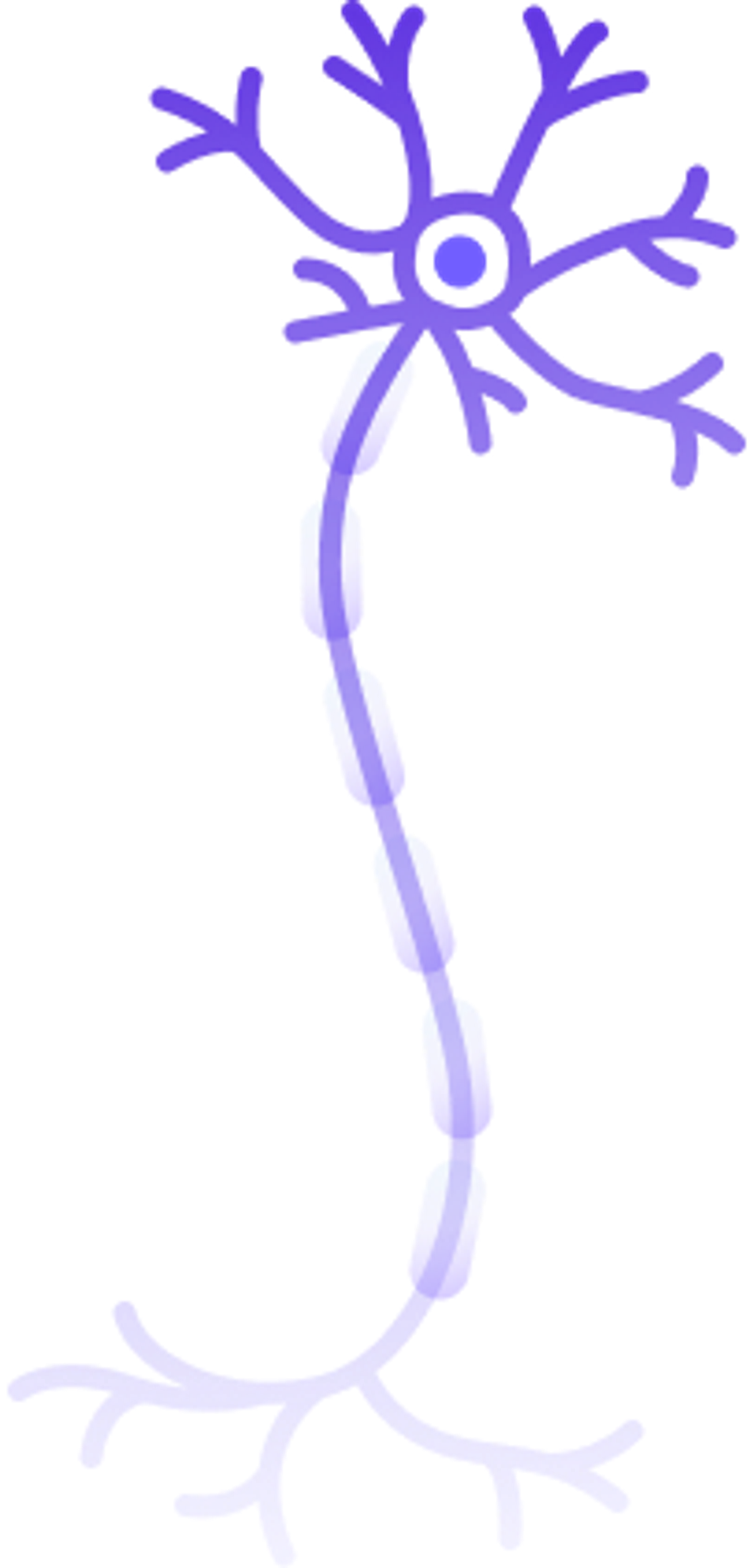
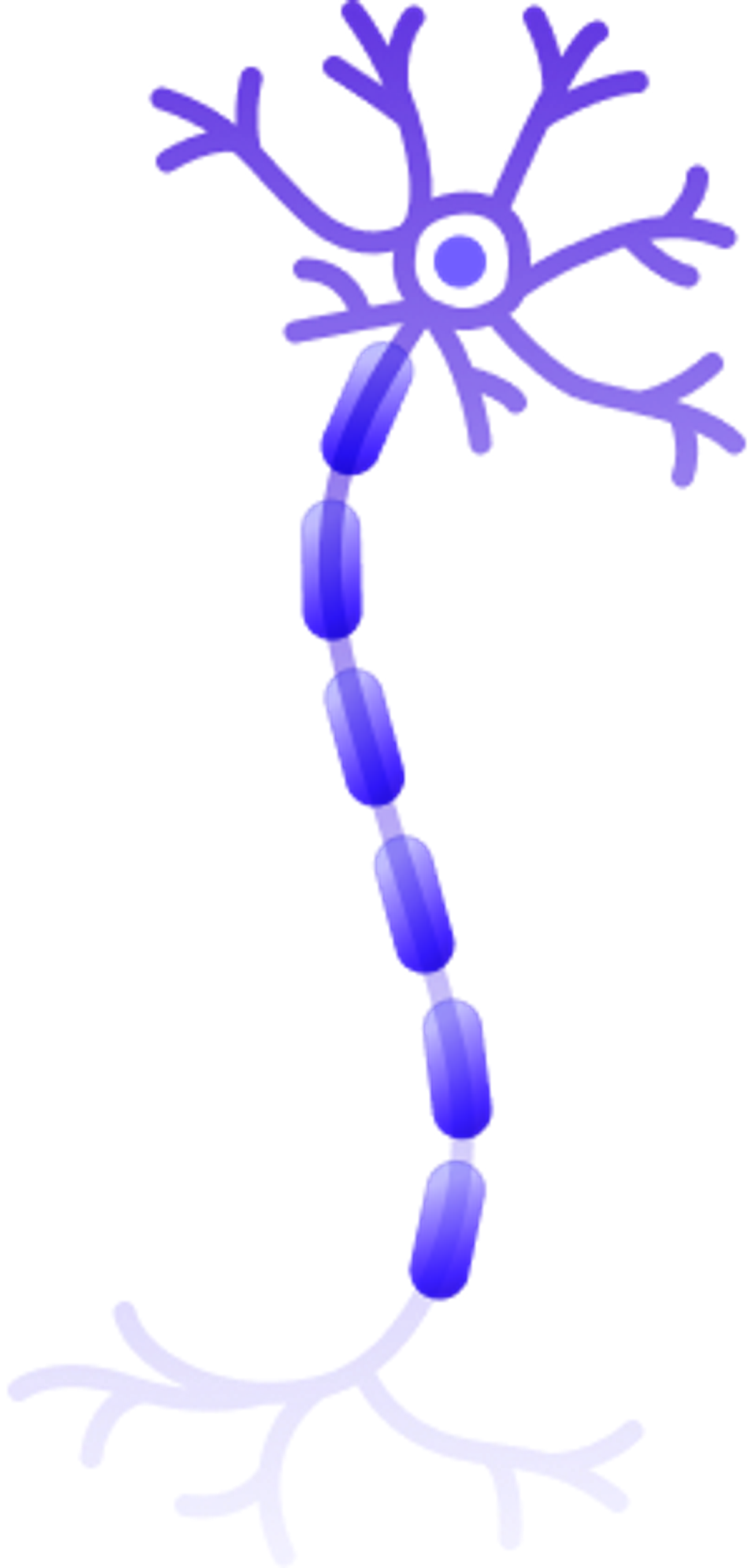
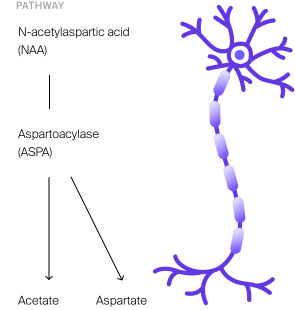
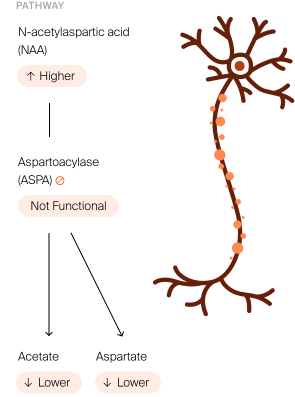
The disease comes as a result of mutations (changes) to the ASPA gene, which is responsible for creating an enzyme called aspartoacylase that breaks down N-acetylaspartate. When N-acetylaspartate levels get too high, it becomes toxic to myelin (a protective membrane around certain nerves) in ways that are not well understood. Myelin insulates the nerves, and without it, neurons are unable to send and receive messages as they should.1,2
While symptoms vary, many patients experience lack of head control, lack of muscle tone (often resulting in floppiness or spasticity), and seizures.1 Most children are not able to meet developmental milestones, and are unable to crawl, walk, sit, or talk. Many pass away before the age of 20. Currently, there are no approved therapies for Canavan disease and current standard of care is limited to supportive therapy.1,2


Canavan Disease Impact
1 per 100,000
1 per 100,000 live births have Canavan Disease
25%
25% probability of an affected child when both parents are carriers
<10 years
<10 years reported median survival age
3-6 months
3–6 months: typical age of symptom onset