What is LGMD2I/R9?
Limb-girdle muscular dystrophy type 2I/R9 is a muscular condition with a significant unmet need.1,2
Limb-girdle muscular dystrophy type 2I/R9 is a muscular condition with a significant unmet need.1,2
About LGMD2I/R9
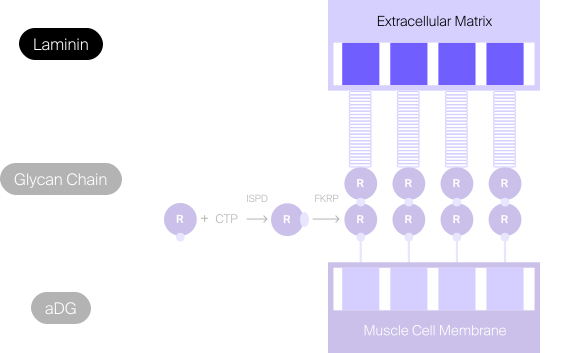
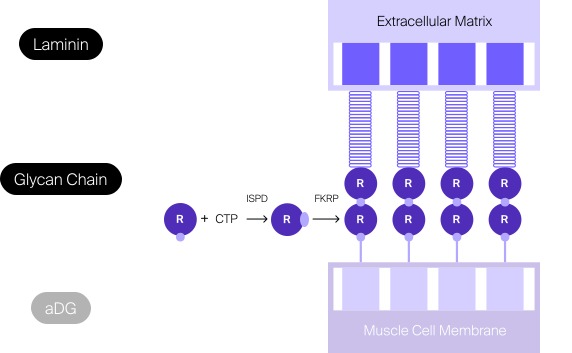
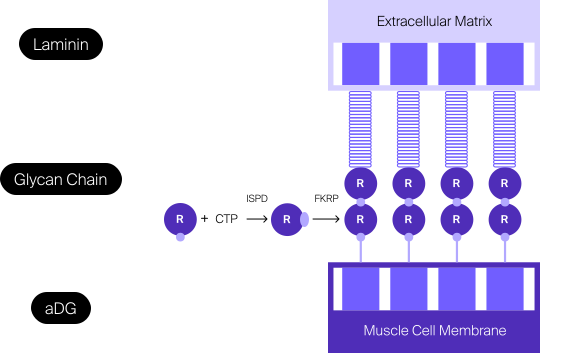
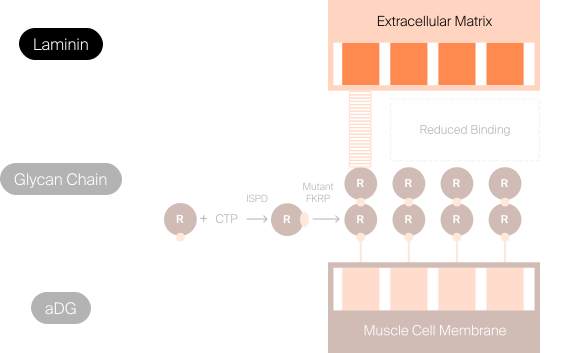
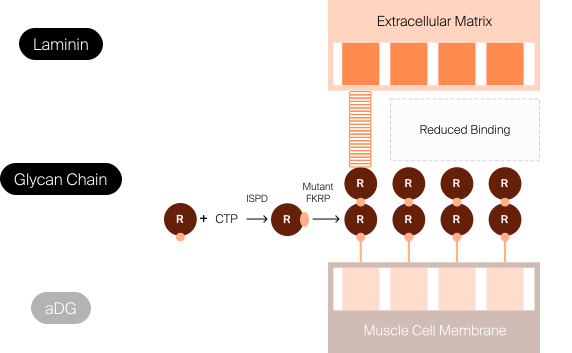
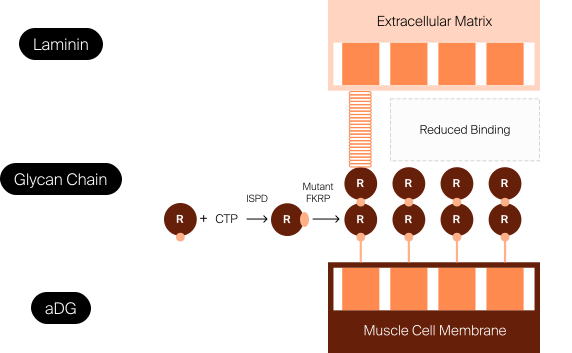
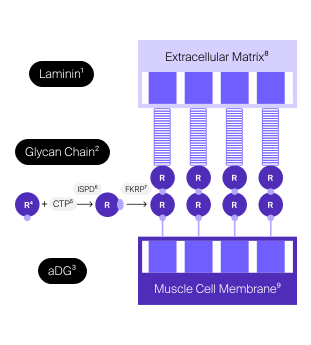
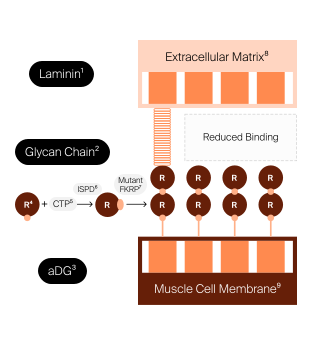
Limb-girdle muscular dystrophy type 2I/R9 (LGMD2I/R9) is a rare, recessive genetic condition caused by variants in the fukutin-related protein (FKRP) gene.1,4 This gene encodes FKRP, an enzyme involved in a chemical process called glycosylation, during which sugar molecules are attached to proteins. This chain of sugars, known as a glycan chain, allows a critical stabilizer of the muscle cell membrane, alpha-dystroglycan, to function correctly.4
In people with LGMD2I/R9, FKRP does not function at full capacity, leading to instability and injury of muscle cells. Physical symptoms of LGMD2I/R9 typically include loss of muscle mass and muscle wasting, leading to muscle weakness in the legs, arms, and trunk.1,4,5 At later stages, respiratory and cardiac muscles may also grow weak, which can cause respiratory and cardiac complications and eventually, loss of functional independence.1,5 Genetic testing is the only way to confirm a diagnosis of LGMD2I/R9.1
Community’s Unmet Need
The current standard of care for LGMD2I/R9 relies on supportive management, such as pain management techniques. These options don’t address the root cause of the condition and thus do not affect muscle wasting or functional decline.1,5 Targeted treatments are urgently needed. Moreover, there is often a significant delay between symptom onset and diagnosis of LGMD2I/R9, which may delay medical management.
Genetic Testing
Genetic testing is the only way to confirm a diagnosis of LGMD2I/R9.1 Accurate diagnosis may open new avenues for medical management, including participation in clinical research studies and providing vital information to ensure appropriate care. Speak to your healthcare provider for information on genetic testing for LGMD2I/R9. For additional information on genetic testing resources, visit the Lantern Project, Detect Muscular Dystrophy, LGMD2I/R9 Research Fund, or knowlgmd.com.

Oct 3, 2024 · 45 min