Mateo, living with Hypochondroplasia

What is Hypochondroplasia?

Hypochondroplasia is a genetic condition that affects the way bones grow.

Hypochondroplasia is a type of skeletal dysplasia that causes bone growth to slow down, especially in the long bones of the arms and legs, which results in disproportionate short stature and shortened limbs.

What Causes Hypochondroplasia?

Hypochondroplasia is caused by changes (variants) in a gene called fibroblast growth factor receptor 3 (FGFR3), which plays a role in bone growth. In people with hypochondroplasia, FGFR3 is too active, which slows bone growth.1

Hypochondroplasia is rare, occurring in about 1 in 15,000 to 40,000 children. The variants that cause hypochondroplasia can occur either by chance or from being passed down by a parent with hypochondroplasia. In families where one parent has hypochondroplasia, there is a 50% chance that the variant will be passed down to the child.1

FGFR3 and Bone Growth

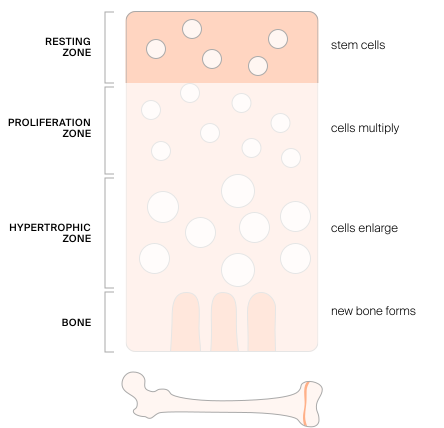
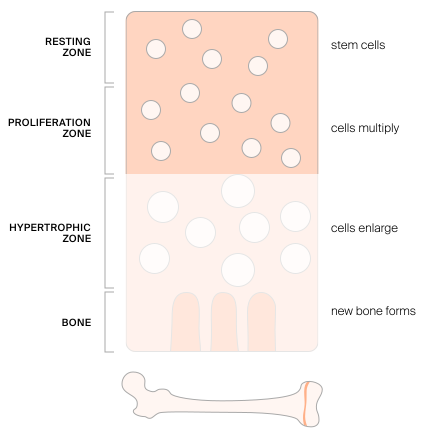
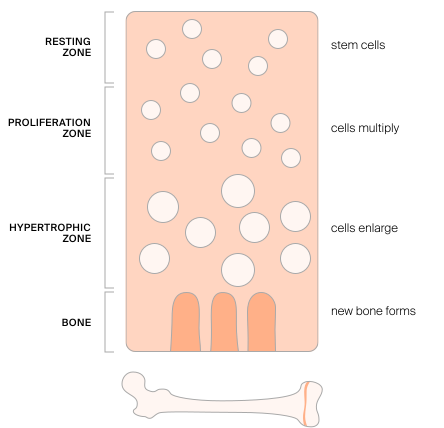
Chondrocytes are a type of cell responsible for bone and cartilage formation. They are essential for the development of the skeletal system.2,3

Chondrocytes contain a type of protein called FGFR3, which helps to slow bone growth.4

In people with hypochondroplasia, FGFR3 becomes overactive. This reduces bone growth and leads to the short stature and other distinct features of hypochondroplasia.1

Mateo, living with Hypochondroplasia

Medical Impacts of Hypochondroplasia

Children with hypochondroplasia have disproportionate short stature (shorter than average for their age)1. Other distinct physical features may include short arms and legs, a head that is large relative to their body size, bowed legs, and curved spine.1

Each child’s experience with Hypochondroplasia is unique.

Potential medical complications for Hypochondroplasia may occur in childhood and throughout life, and may include:

  • Sleep apnea

  • Recurrent ear infections

  • Spinal stenosis

  • Loose joints

  • Seizures

  • Learning challenges

Diagnosing Hypochondroplasia

Sometimes hypochondroplasia can be detected and diagnosed before birth through prenatal ultrasound and/or genetic testing.5 More commonly, children with hypochondroplasia are diagnosed in toddler/early childhood when they present with short stature, unless there is a family history.

References