
What is ATTR-CM?
Transthyretin amyloid cardiomyopathy (ATTR-CM) is a form of amyloidosis in the heart caused by destabilization of transthyretin (TTR).1
Transthyretin amyloid cardiomyopathy (ATTR-CM) is a form of amyloidosis in the heart caused by destabilization of transthyretin (TTR).1
ATTR-CM Impact
~60%
~60% of people diagnosed with ATTR-CM also experience carpal tunnel syndrome.2
3 to 5
3 to 5 years is the median survival of untreated patients following diagnosis.3
13-15%
13-15% of all patients with heart failure with preserved ejection fraction, commonly referred to as HFpEF, may have ATTR-CM.4
Transthyretin (TTR) Amyloid Cardiomyopathy (ATTR-CM)
ATTR-CM is a rare, under-diagnosed, and life-threatening disease that can damage the heart and/or nervous system, and has limited treatment options.1,3
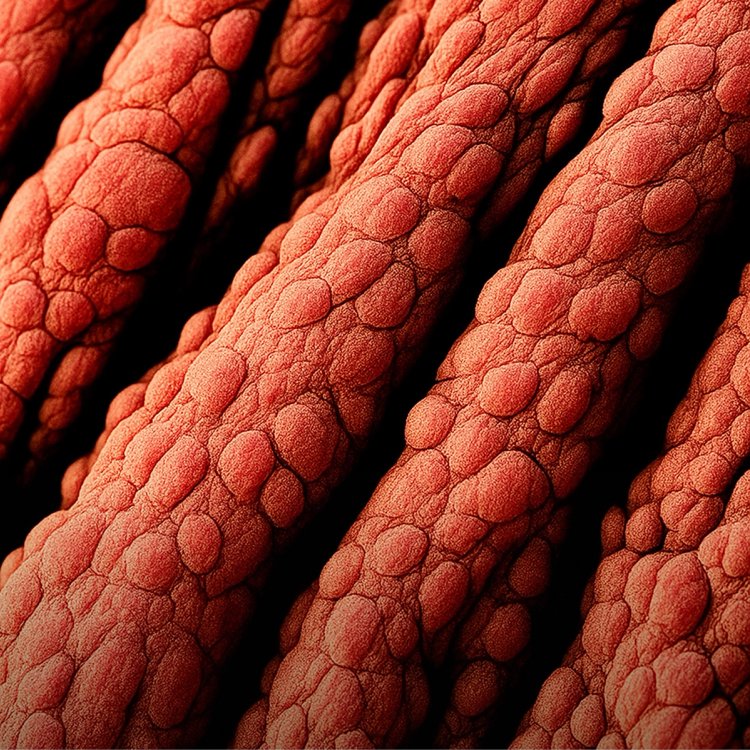
TTR is a highly evolutionarily conserved protein that has been found to circulate in the blood of all vertebrates.5 As a circulating protein primarily made in the liver, TTR plays a key role in the transport of thyroxine and vitamin A and is thought to potentially have a role in supporting cognitive, cardiovascular and muscle function, along with impacting metabolism, vision and bone strength.5–7 For people with ATTR-CM, the TTR proteins become unstable, dissociate, and misfold into amyloid fibrils which accumulate in the myocardium (heart muscle).5,7
ATTR-CM can manifest in symptoms that cause pain and numbness, such as carpal tunnel and spinal stenosis, as well as in ones that often occur in other heart conditions, like shortness of breath and irregular heartbeat, contributing to its frequent misdiagnosis.8,9 ATTR-CM often impairs the quality of life, functional independence, and life expectancy of patients, as well as impact caregivers due to the progressive nature of the disease.8,9

TTR is made up of 4 small proteins held tightly together through strong bonds.5,6

When the bonds become unstable, TTR breaks down and reform into abnormal proteins called amyloid fibrils, which then build up in the body, causing damage.1,8

The buildup of amyloid fibrils leads to stiffness of the walls of the heart. In many people with ATTR-CM, this causes the symptoms of heart failure.1,9


A site built to provide health care professionals with disease information and practice resources.