This story was originally posted on Wednesday, July 8th 2026 on CNBC Cures:
How a mother’s intuition helped uncover her son’s rare disease
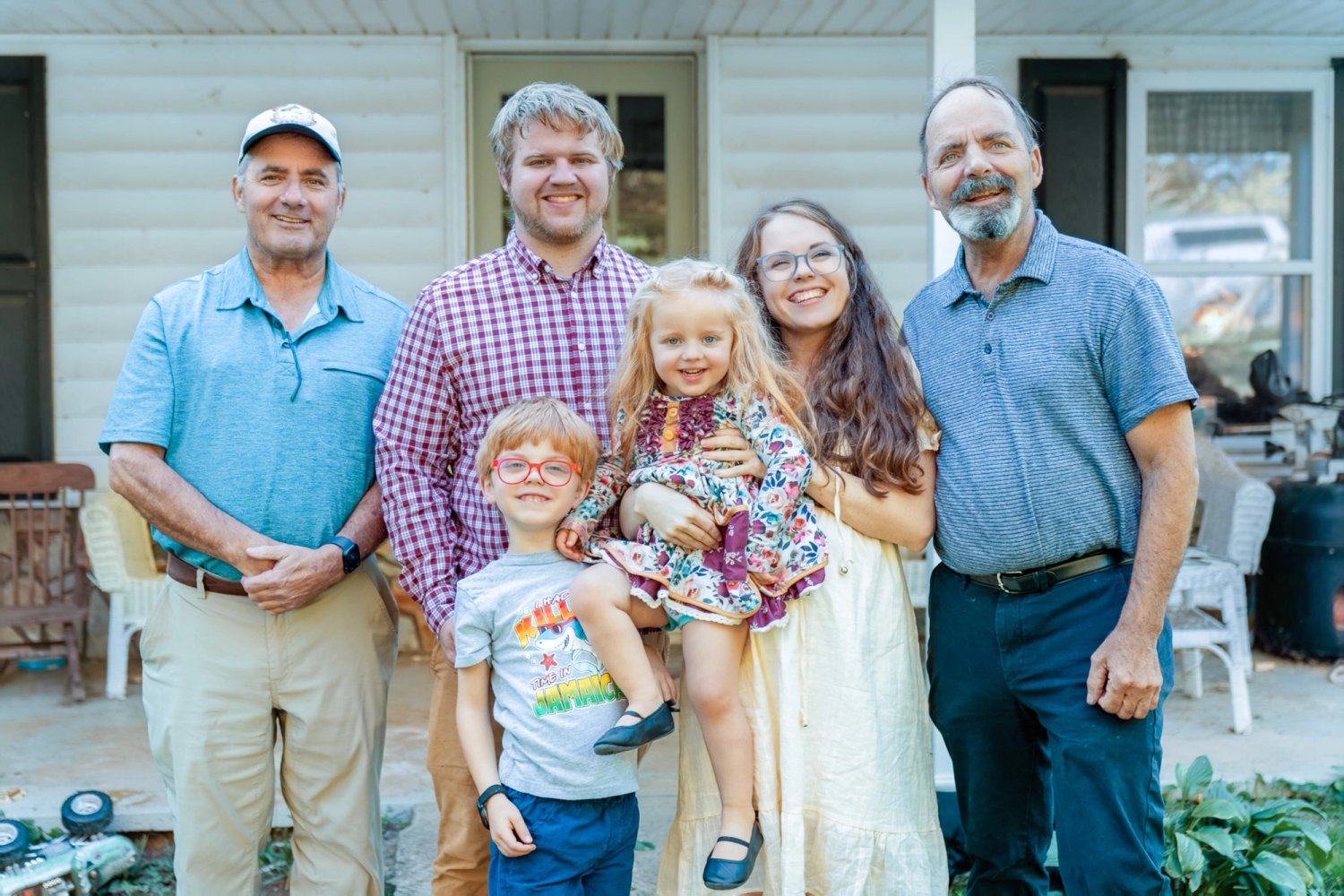
Arielle Johnston, from Sparta, North Carolina, recently wrote to tell us about her experience growing up with a rare disease that led to severe calcium deficiency. It’s a disorder which - despite chronic health issues - she didn’t realize she had until she was an adult, and her own child was diagnosed with it.
The diagnosis led to others in her family, reminding us of how pervasive - and underreported - many rare diseases can be...and serving as an example of why a parent’s intuition when it comes to their child’s health should never be overlooked.
Here’s what she shared:
Eating ice cream every day for breakfast sounds like every child’s dream. But for me, it was no treat. I had to start the day with ice cream to keep my calcium levels up. At the time, my family and I had no idea those daily bowls of ice cream were the beginning of a journey with a rare disease that would not only impact me, but my son as well.
No one ever stopped to ask why my calcium was chronically low until I ended up in a medical crisis at 16 years old.
Then, low calcium caused kidney failure after childbirth, kidney stones requiring surgery, muscle contractures that locked my hands into claws, cardiac symptoms, hallucinations, and episodes severe enough to send me to the ER, fearing stroke. I eventually became a nurse and learned how dangerous calcium instability really is.
As difficult and scary as it was to personally to deal with unstable calcium, it was even more frightening when my son Sebastian started having seizures at one year old.
The first happened in the bathtub. He went completely unresponsive in my arms while I tried to resuscitate him, and my husband called 911. Doctors told us it was a one-time event. Then it happened again. And again.
At every appointment, I asked the same question: “I have low calcium. His bloodwork shows low calcium. Could this be connected?”
Every doctor said no.
Over the next several years, Sebastian endured repeated hospitalizations, febrile seizures, staring spells, failed seizure medications and neurological decline. One night, he aspirated during a seizure in his crib. We only woke up because our cat alerted us. We saw six neurologists, and still no one connected the dots.
I knew what low calcium looked like because I lived it my entire life.
Finally, after another hospitalization, a specialist known as “the calcium guy” reviewed Sebastian’s labs and immediately said, “Your son has hypoparathyroidism like you. I think you have ADH1.”
Genetic testing confirmed it in both of us: Autosomal Dominant Hypocalcemia Type 1, a rare inherited disease that disrupts calcium regulation throughout the body and can affect the brain, kidneys, muscles, heart, and nervous system.
Two days after starting the right treatment, Sebastian woke up and said, “I feel great.”
I don’t think I will ever fully describe what that moment felt like as a mother.
After years of fighting to be heard, years of being dismissed, years of watching my son suffer while I begged doctors to look deeper, suddenly, my child felt better. In two days. That’s why I’m telling this story now.
Because rare disease patients and parents are too often dismissed, especially mothers. And because sometimes the person closest to the patient is the one who sees the truth first.
I knew something was wrong long before medicine caught up. I just needed someone to listen.
In the world of rare diseases that even doctors don’t fully understand, families can spend years searching for answers, often being told “no” before finally finding the right expert, test or treatment. I want other parents in that position to know they cannot give up hope. Keep asking questions. Keep trusting your instincts. Answers are out there, and the right diagnosis can change a child’s life overnight, just like it did for Sebastian.
BridgeBio submitted a New Drug Application to the FDA for a potential treatment for ADH1 based on promising Phase 3 trial data it highlighted in June. The company hopes to have the drug on the market early next year.
While Arielle and her immediate family have not taken part in any of BridgeBio’s trials, she hopes to pursue a pediatric clinical trial for her son in the future.
More information about ADH1 can be found at DetectADH1.